
CLINICAL EVIDENCE & CASE STUDIES
Explore published clinical case series from Hospital Kuala Lumpur examining CuHeal++ nano-copper wound cleansing in wound bed preparation, chronic wound management and wound bioburden assessment.
Clinical Evidence at a Glance
Clinical evaluations conducted at the Wound Care Unit, Hospital Kuala Lumpur have examined CuHeal++ as part of wound management protocols involving patients with different wound types.
Included in the published 2024 wound-healing case series.
Diabetic foot ulcers, surgical wounds, pressure injuries and peripheral arterial ulcer.
Observation period in the published wound-healing case series.
Nano-copper wound cleansing solution used in the study.
Clinical setting for the published evaluations.
Clinical findings made available to the wider wound-care community.
Published Clinical Study 01
Published in Wounds Asia, April 2024, this case series by Harikrishna K.R. Nair and Hor Seow May evaluated the clinical use of a nano-copper solution as a wound cleanser during wound bed preparation.
The study was conducted at the Wound Care Unit of Hospital Kuala Lumpur and included 10 patients with wounds of different sizes and aetiologies.
The objective was to assess the clinical effectiveness of nano-copper solution in wound bed preparation and its role in facilitating wound healing through re-epithelisation.
This range provided real-world observations across several wound types commonly encountered by wound care professionals.
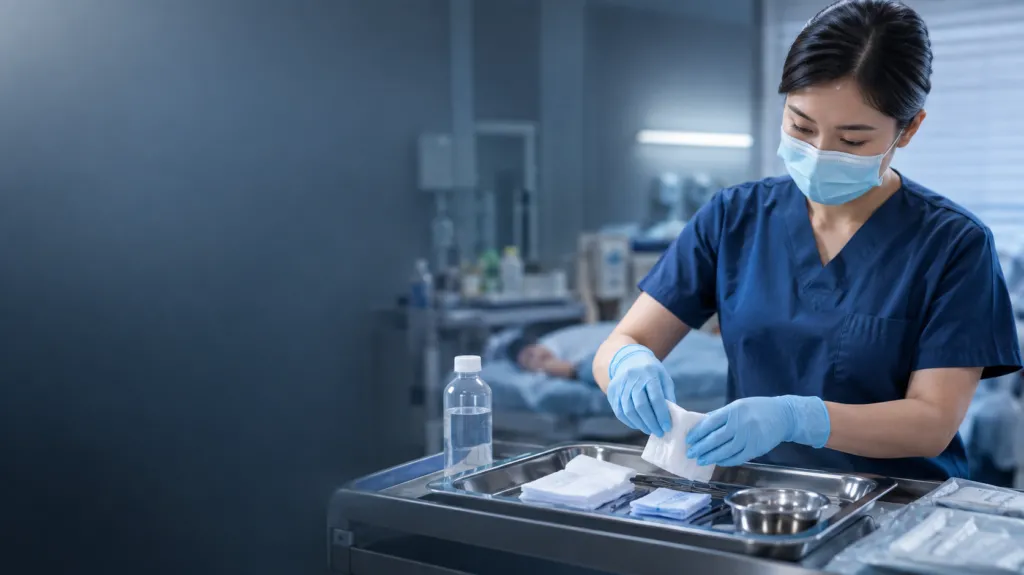
Patients received the same standard of care and wound bed preparation principles throughout the observation period.
CuHeal++ containing 0.2% ionised copper was incorporated into the wound cleansing process.
The general clinical protocol involved:
The wounds were monitored over a period ranging from 6 to 12 weeks.
Published Clinical Study 02
A separate published case series investigated the effectiveness of nano-copper solution in reducing wound bioburden in chronic wounds.
The clinical evaluation again took place at the Wound Care Clinic, Hospital Kuala Lumpur and included chronic wounds such as:
Unlike relying only on visual wound assessment, this evaluation incorporated MolecuLight fluorescence imaging to assess bacterial fluorescence before and after wound cleansing.
Making Wound Bioburden Visible
MolecuLight is a non-invasive fluorescence imaging system that can help clinicians identify bacterial fluorescence within the wound bed.
In the published case series, clinicians used the system before and after wound cleansing to observe changes in bacterial fluorescence.
The clinical process included:
Wounds were assessed using the TIME framework and imaged with MolecuLight to identify bacterial fluorescence.
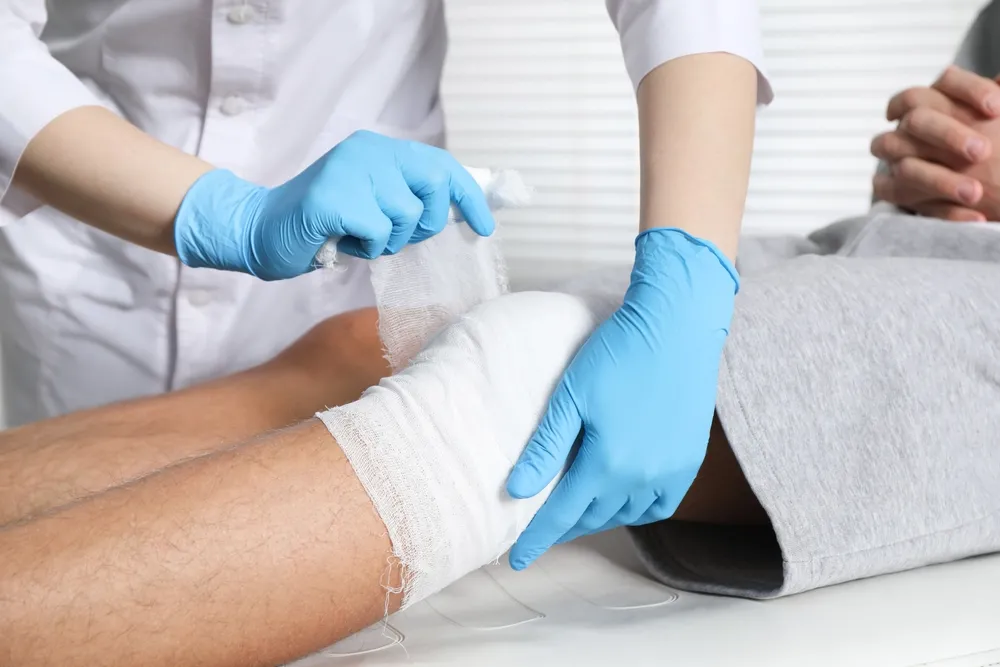
The wounds were rinsed and soaked using gauze containing CuHeal++ for approximately 10–15 minutes.
MolecuLight imaging was repeated following cleansing.
Patients subsequently received standard wound management, including debridement and appropriate modern wound dressings.
This provided an objective imaging component alongside conventional clinical wound assessment.