
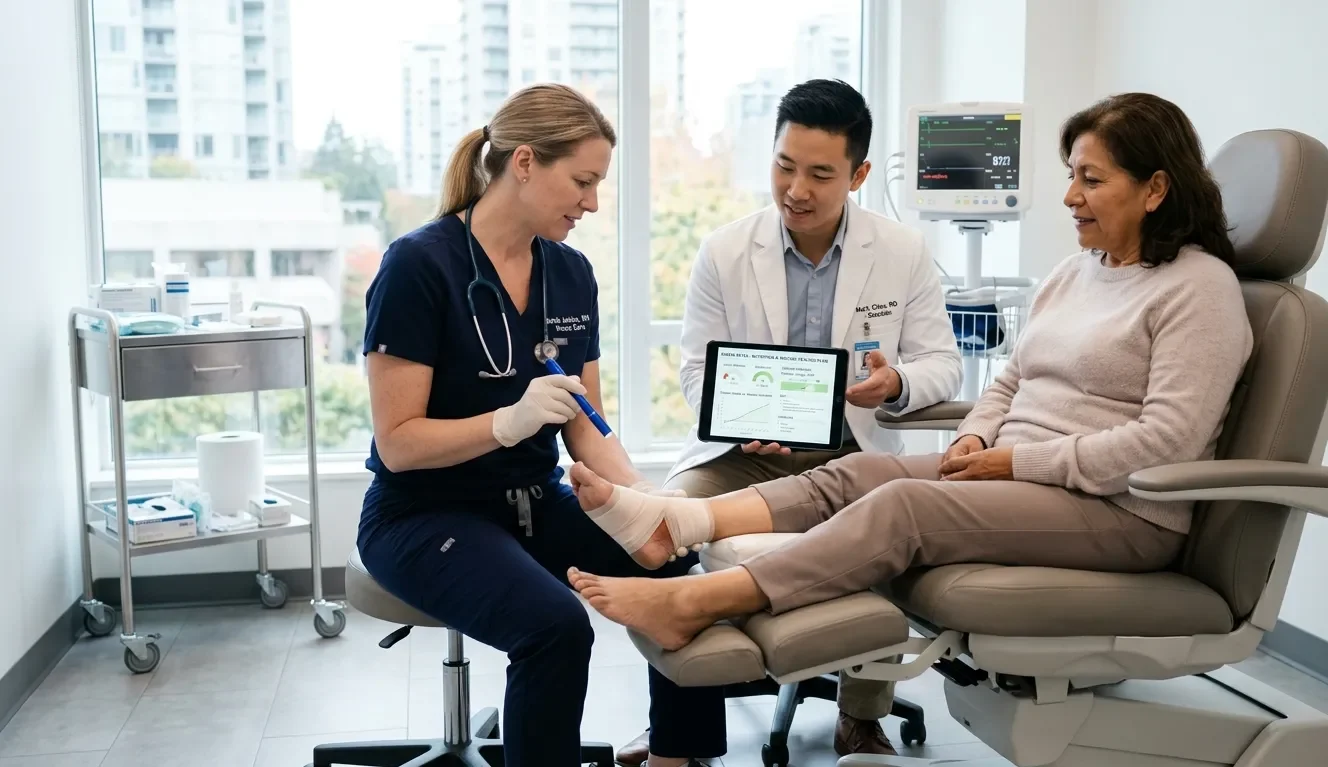
Wound healing is a multifaceted process that relies not only on topical care and medical interventions but also on systemic nutritional support.
While traditional nutritional recommendations often follow a “one-size-fits-all” approach, precision nutrition offers personalized strategies tailored to an individual’s metabolic profile, comorbidities, and wound characteristics.
By integrating scientific insights with dietary planning, precision nutrition aims to accelerate tissue repair, reduce complications, and optimize outcomes for patients with acute or chronic wounds.
This article explores the role of precision nutrition in personalized wound healing programs, highlighting key nutrients, strategies, and clinical applications.
Understanding Precision Nutrition in Wound Care
Precision nutrition is the practice of designing dietary interventions based on individual factors, including:
- Genetic predisposition
- Metabolic status and nutrient absorption
- Age, weight, and body composition
- Underlying medical conditions such as diabetes, cardiovascular disease, or malnutrition
- Wound type and severity
Unlike generic dietary advice, precision nutrition provides targeted, evidence-based strategies to support cellular regeneration, collagen synthesis, and immune function, all of which are critical for effective wound healing.
The Science Linking Nutrition and Wound Healing
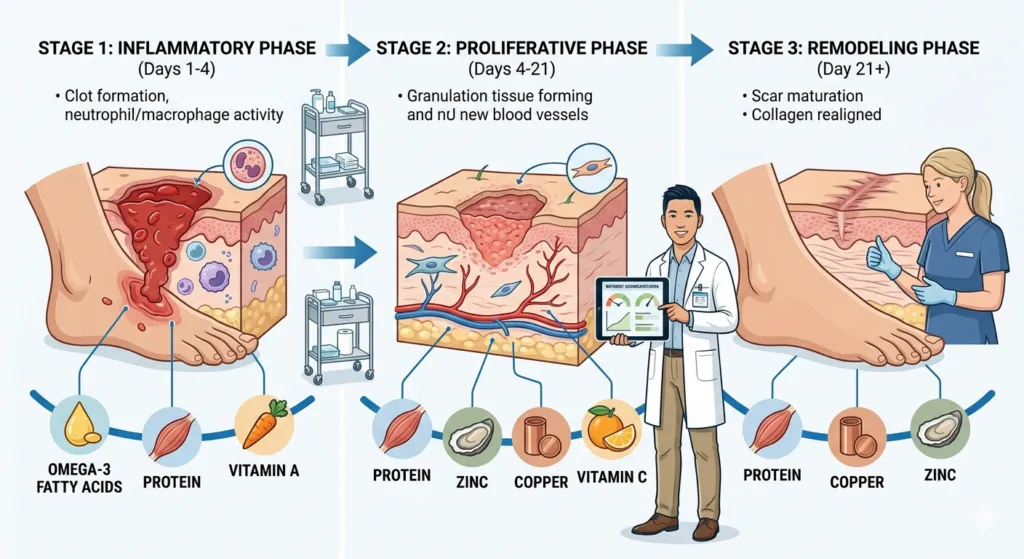
Nutritional support directly influences every phase of wound healing:
- Inflammatory Phase – Adequate intake of antioxidants, omega-3 fatty acids, and vitamins helps regulate inflammation and prevent oxidative stress.
- Proliferative Phase – Proteins, amino acids, and trace minerals like zinc and copper support fibroblast proliferation, collagen deposition, and angiogenesis.
- Remodeling Phase – Nutrients such as vitamin C, vitamin A, and selenium strengthen tissue integrity and reduce scar formation.
Precision nutrition ensures that patients receive the exact combination and dosage of nutrients required for each stage, optimizing recovery timelines.
Key Nutrients in Personalized Wound Healing Programs
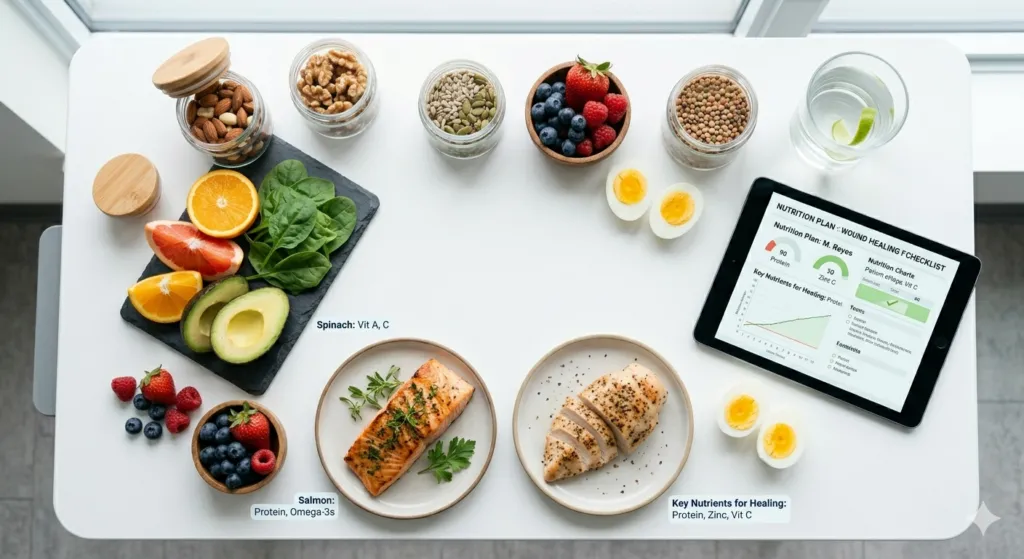
1. Proteins and Amino Acids
Proteins provide amino acids essential for collagen synthesis, immune function, and cellular repair. Precision nutrition programs assess individual protein requirements, which may exceed standard recommendations for patients with chronic wounds, burns, or post-surgical recovery.
Sources: lean meats, fish, eggs, dairy, legumes, soy-based products
Supplementation: Protein shakes, essential amino acid powders, or peptide-based formulations
2. Vitamins: C, A, D, and E
- Vitamin C: Critical for collagen synthesis and immune defense
- Vitamin A: Enhances epithelialization and tissue differentiation
- Vitamin D: Modulates immune response and promotes cellular proliferation
- Vitamin E: Protects cell membranes from oxidative damage and reduces scarring
Precision nutrition tailors vitamin intake based on lab markers, absorption rates, and wound characteristics.
3. Minerals: Zinc, Copper, Selenium, and Iron
- Zinc: Cofactor for enzymes involved in DNA synthesis, fibroblast activity, and immune response
- Copper: Supports collagen cross-linking and tissue strength
- Selenium: Antioxidant defense and infection prevention
- Iron: Facilitates oxygen delivery to wound tissues
Personalized supplementation ensures patients avoid deficiency or excess, both of which can impair healing.
4. Omega-3 Fatty Acids and Polyphenols
Anti-inflammatory nutrients such as omega-3 fatty acids (from fish oil or flaxseed) and polyphenols (from berries, cocoa, and green tea) reduce chronic inflammation, a major barrier in diabetic and venous ulcers.
Precision nutrition adjusts dosage and timing to maximize bioavailability and healing efficiency.
Assessing Patients for Personalized Wound Nutrition
Effective precision nutrition begins with a comprehensive assessment, including:
- Medical History: Chronic conditions, medications, allergies
- Wound Assessment: Type, size, depth, exudate, and infection risk
- Laboratory Tests: Protein levels, vitamin and mineral status, inflammatory markers
- Metabolic Profiling: Blood glucose, lipid profile, and nutrient absorption
- Lifestyle Factors: Physical activity, diet habits, alcohol, and smoking
This information allows clinicians and dietitians to design individualized nutrition plans, aligning macronutrients, micronutrients, and supplementation with wound healing goals.
Integrating Precision Nutrition with Wound Care Products
Precision nutrition complements topical and device-based wound care strategies:
- CNSL-based ointments provide antioxidant and antimicrobial support
- Copper-infused dressings enhance tissue regeneration and collagen cross-linking
- Hydrocolloid or hydrogel dressings maintain optimal moisture while antioxidants work systemically
- Smart dressings with sensors can guide dietary adjustments by monitoring wound progression
This holistic approach, combining internal and external healing support, significantly improves outcomes.
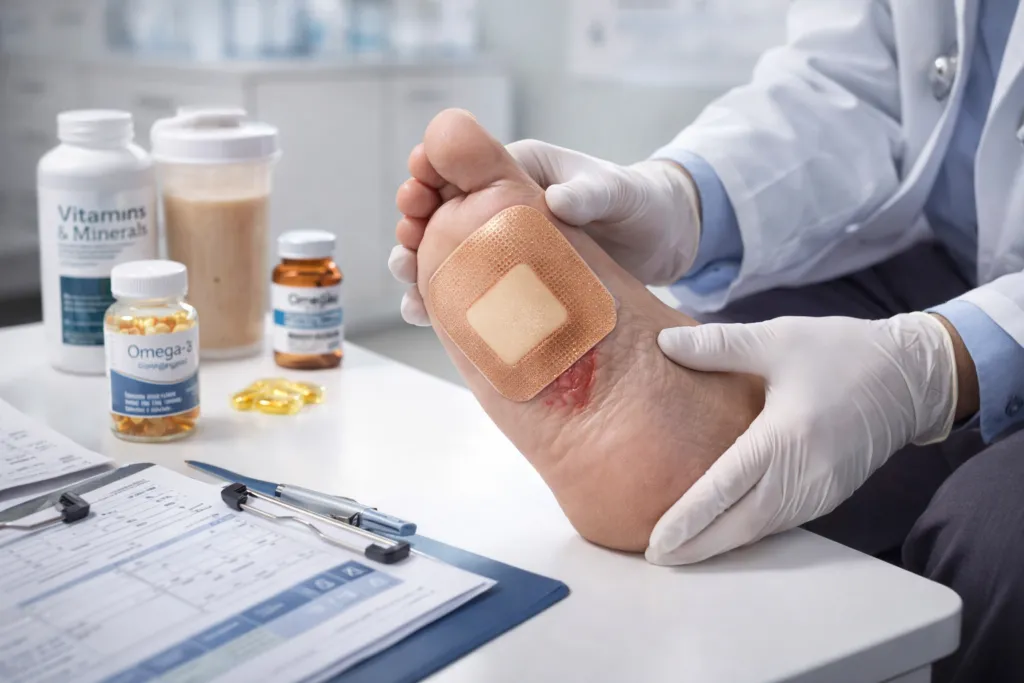
Case Example: Precision Nutrition in Chronic Wound Management
Consider a patient with diabetic foot ulcers and low serum vitamin C and zinc levels. A precision nutrition program may include:
- High-protein diet adjusted to metabolic needs
- Vitamin C and zinc supplementation tailored to lab results
- Omega-3 fatty acids to reduce chronic inflammation
- Topical CNSL or copper dressings to support local tissue repair
- Monitoring and adjustment based on weekly wound assessment and lab markers
Such an individualized program addresses both systemic deficiencies and local wound environment, accelerating healing and reducing the risk of infection or amputation.
Practical Strategies for Implementing Precision Nutrition
- Collaboration Between Clinicians and Dietitians – A multidisciplinary approach ensures that nutrient intake aligns with wound severity and comorbidities.
- Routine Monitoring – Lab tests and wound assessments guide ongoing adjustments to nutrient intake.
- Patient Education – Teaching patients about anti-inflammatory foods, hydration, and nutrient timing empowers self-care.
- Supplementation When Needed – Personalized dosing prevents deficiencies without causing toxicity.
- Integration with Advanced Wound Products – Combining precision nutrition with bioactive ointments, smart dressings, and wearable sensors optimizes healing.
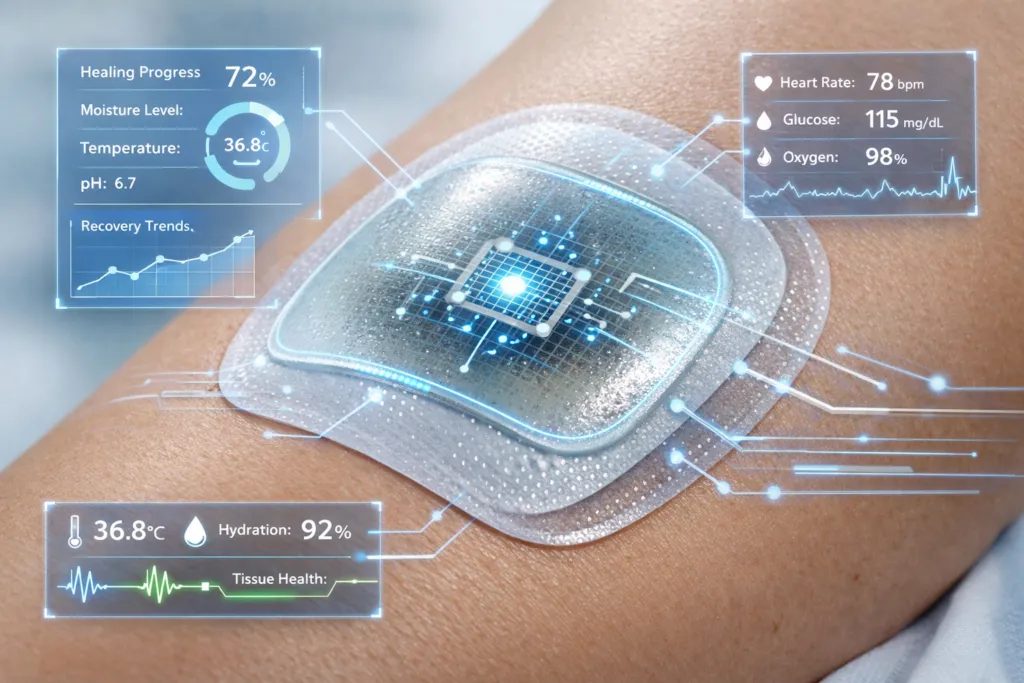
The Future of Wound Healing: Precision Nutrition Meets Technology
As healthcare moves toward personalization, precision nutrition is increasingly integrated with digital health technologies:
- Wearable sensors track wound healing markers, guiding dietary adjustments
- AI algorithms predict nutrient needs based on wound progression and metabolic data
- Telemedicine platforms allow remote monitoring and diet plan optimization
These innovations position precision nutrition as a cornerstone of modern, data-driven wound care, ensuring faster recovery and reduced complications.
Conclusion
Precision nutrition represents a paradigm shift in wound healing, transforming traditional approaches into personalized, data-driven care.
By assessing individual metabolic needs, wound characteristics, and nutritional deficiencies, clinicians can design targeted dietary and supplementation plans that accelerate tissue repair, reduce infection risk, and improve patient outcomes.
When combined with advanced wound care products such as CNSL-enriched ointments, copper dressings, and hydrocolloid bandages, precision nutrition ensures a holistic healing strategy.
For patients with chronic wounds, diabetic ulcers, or post-surgical injuries, this tailored approach not only supports faster recovery but also enhances quality of life and long-term health.